
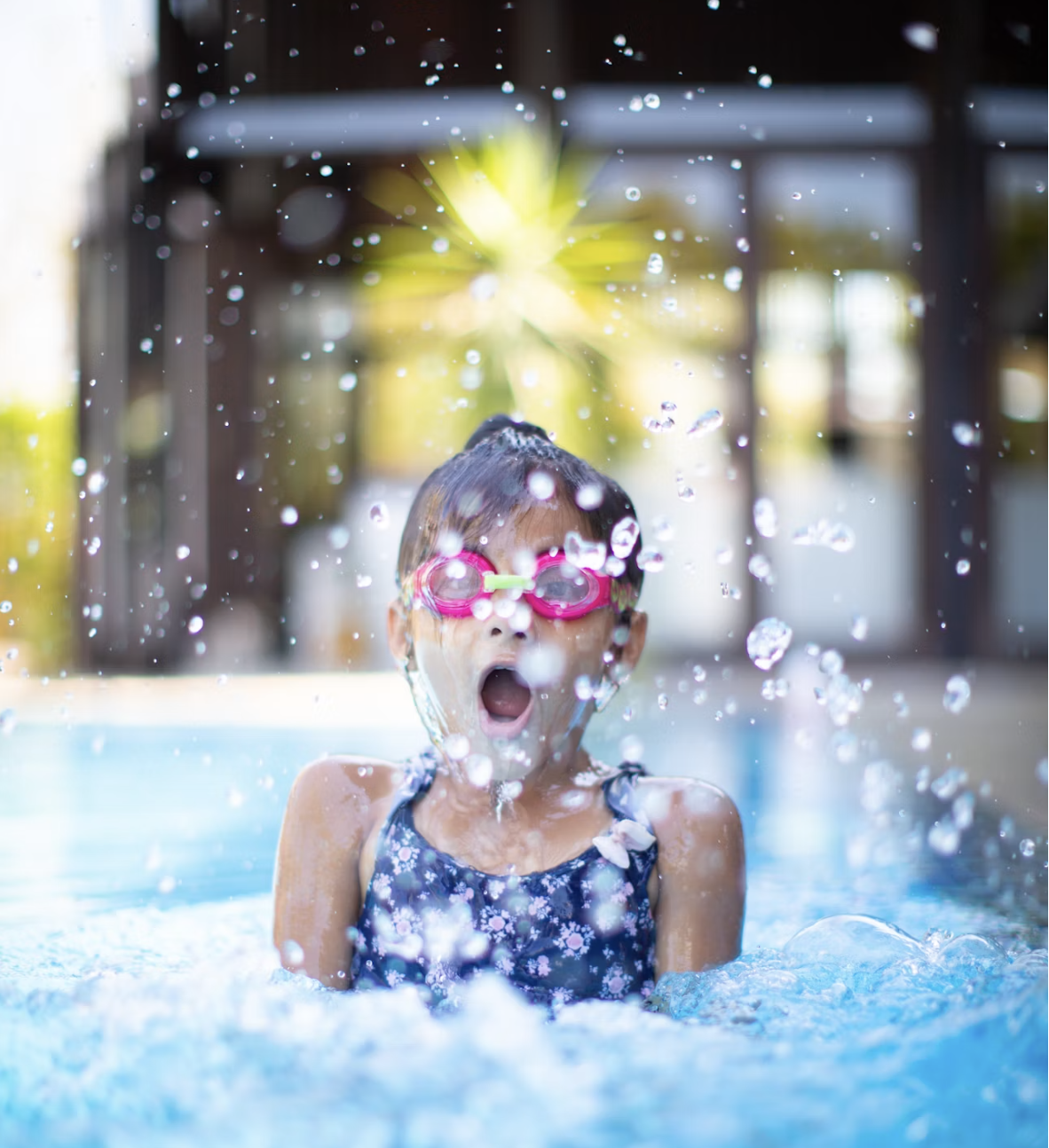
It’s hard to believe that it’s June! Summer is here, and for many families that means pool parties, beach trips, vacations, and spending more time outdoors. While these activities create wonderful memories, they also bring a serious risk that every parent needs to be aware of: drowning.
In almost every instance of childhood drowning, it happens quickly, quietly, and in places you might not expect. It is a leading causes of death for young children, and for those with autism, the risk is so much higher.
As parents, we often think, “It won’t happen to my child.” The truth is that drowning can happen to any family. That’s why prevention is so important.
For parents of kids with disabilities, active supervision is the first line of defense. When there is water around, whether it’s a pool, lake, beach, bathtub, or splash pad, an adult should be watching them at all times. Not checking a phone. Not chatting with friends. Watching. Drowning is almost always silent, and there will likely be no cries for help.
If you have a backyard pool, layers of protection are essential because it’s not uncommon for young children, and those who lack danger awareness, to wander outside when you’re not looking. A four-sided fence with a self-closing, self-latching gate can prevent children from accessing the pool when adults are not present. Pool alarms, door alarms, and locks placed high on doors can add additional protection. No single safety measure is enough on its own. Plus, our kids are oftentimes like Houdini and shouldn’t be underestimated.
Swimming lessons are another important tool. While lessons do not make a child drown-proof, they can significantly reduce risk and help children become more comfortable and capable in the water. Be sure to check out the Florida Swim Voucher. It will open up again for applications on July 1.
For families of children with autism, water safety requires even more planning. Many autistic individuals are naturally drawn to water. Some seek it out because they enjoy the sensory experience, while others may wander or elope from safe environments without warning. This risk does not disappear when a child becomes a teenager or an adult. Last year in Florida, 58% of the children who died and were over the age of 5, were children with autism (fyi – only 2% of all children have autism).
Parents of autistic children should consider creating a water safety plan. This may include swimming instruction, tracking devices like Angel Sense, door alarms, identification bracelets, and educating neighbors about the possibility of wandering. It’s also important to know where nearby bodies of water are located. In many cases, when a child with autism goes missing, first responders are trained to search water sources immediately.
Summer is also a good time to review family emergency plans. Make sure everyone knows how to call 911. Consider taking CPR and first aid training. In an emergency, those first few minutes can make all the difference. You can call your local fire department – they would gladly show you how to provide CPR and many of them hold events for just this reason. CPR is NOT what it looks like in the movies.
The goal is to create awareness. Water can provide joy, recreation, exercise, and relaxation. We want our children to enjoy all the benefits of summer while staying safe.
As parents and advocates, we work every day to protect our children. This summer, let’s make water safety a priority. Supervision, swimming lessons, door locks and alarms, fencing, or one safety device could save a life.
The best summer memories are the ones where everyone is safe.